Book Club Meeting
Thursday 8th October 2026
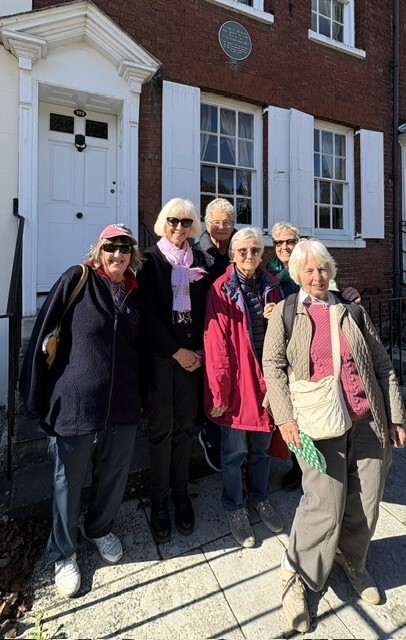
This month, we did something a little different from our usual meeting at the library and enjoyed a day out together instead. Six members of our group set off from Pulborough station in glorious sunshine, a welcome change after Wednesday’s heavy rain, to visit the birthplace of one of Britain’s best-loved authors, Charles Dickens.
On arriving at Portsmouth Harbour, we quickly transferred to a bus and were soon stepping back in time at the museum in Dickens’ birthplace.
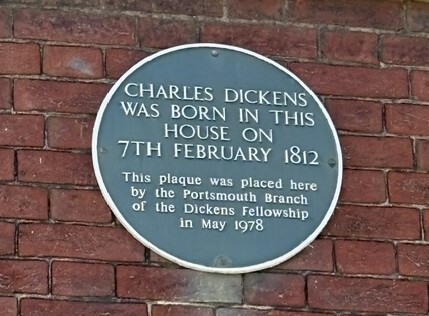
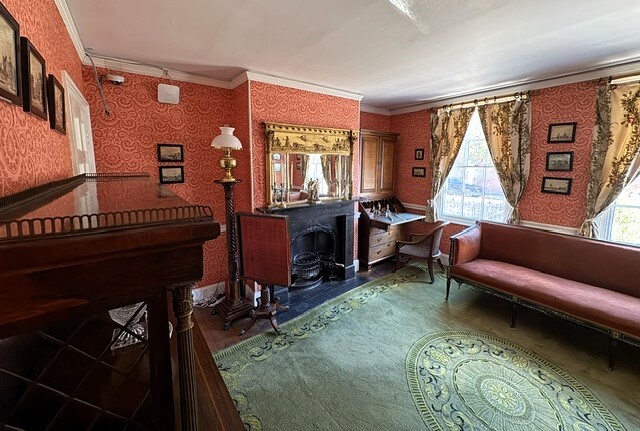
Charles Dickens was born in February 1812 in a newly built Georgian terraced house. Although he lived there for only the first five months of his life, the house gave us a fascinating glimpse into the world of his early childhood. The rooms were small and square, furnished in Georgian style, and the house would have been a comfortable family home, probably with at least one maid.
We learnt how Dickens’ early life was shaped by his family’s financial difficulties. His father, John Dickens, worked as a clerk for the Royal Navy, but his debts eventually led to imprisonment in the Marshalsea Debtors’ Prison when Charles was just 12 years old. These experiences had a lasting influence on Dickens’ writing, and it was fascinating to discover how his descriptions of poverty, debt and child labour drew on his own experiences.
A highlight of our visit was an actor in nineteenth-century costume giving a reading from A Christmas Carol, bringing Dickens’ words to life in a wonderfully atmospheric setting.
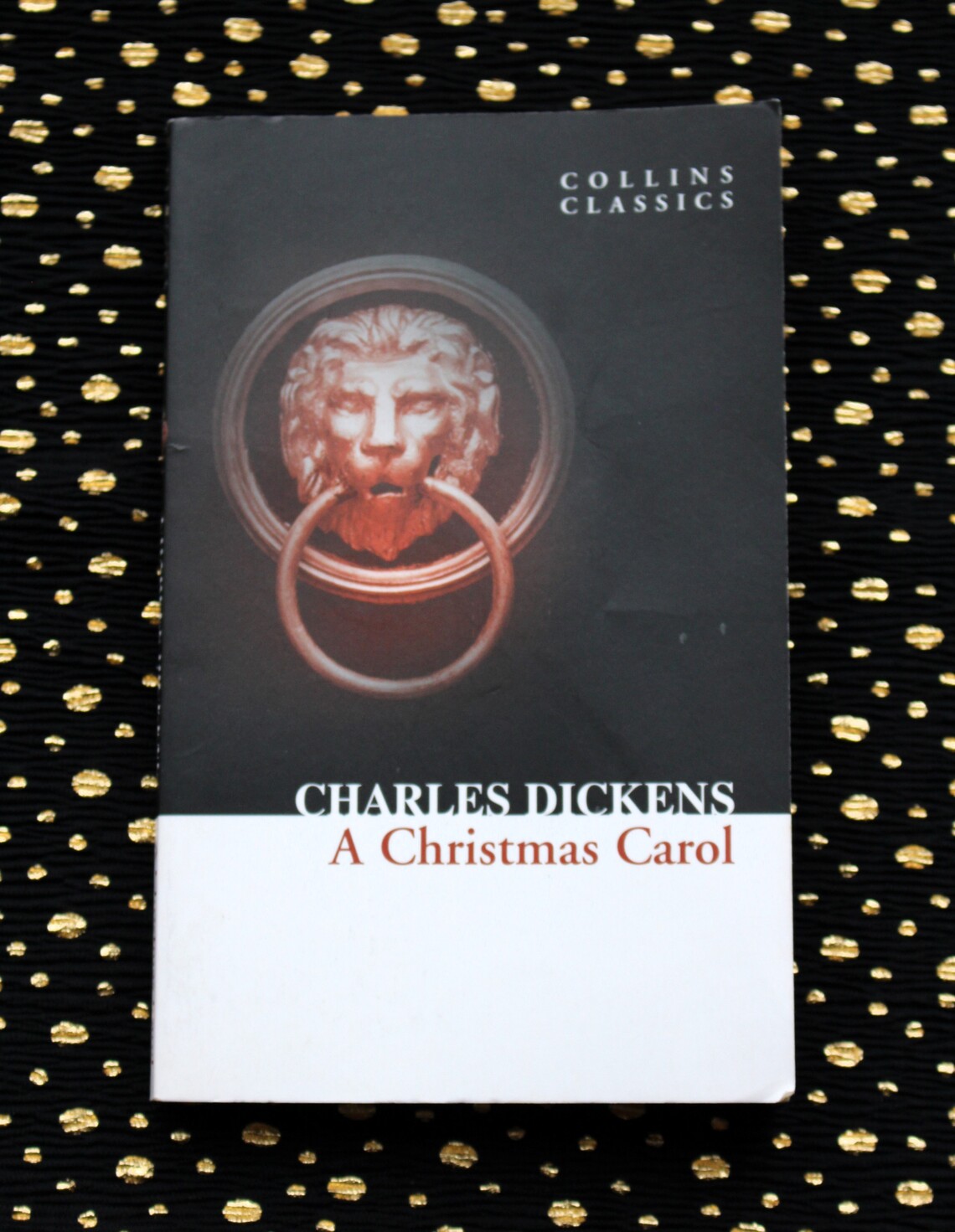
After exploring the house, we travelled by bus to Gunwharf Quays for lunch, where we discussed this month’s novel, A Christmas Carol. Everyone had enjoyed the book, finding it surprisingly easy to read, with language that felt familiar despite it being published in 1843.
We discussed the story’s enduring themes of redemption, compassion, kindness and recognising the hard work of others. Scrooge’s transformation reminded us that it is never too late to change our behaviour and make a positive difference. We also enjoyed discovering how many of the Christmas traditions described by Dickens are still part of our celebrations today.
Everyone appreciated Dickens’ wonderful ability to bring people, places and relationships vividly to life, and our visit gave us a deeper understanding of the man behind the stories.
It was a lovely day of literary discovery and lively conversation.
The next book to be read will be ‘The Temptation of Gracie’ by Santa Montefiore.
This will be discussed on Friday 13th November 2026.
September 2026 Monthly Meeting
"The Role of the Plant Quarantine Service" with Andrew Gaunt
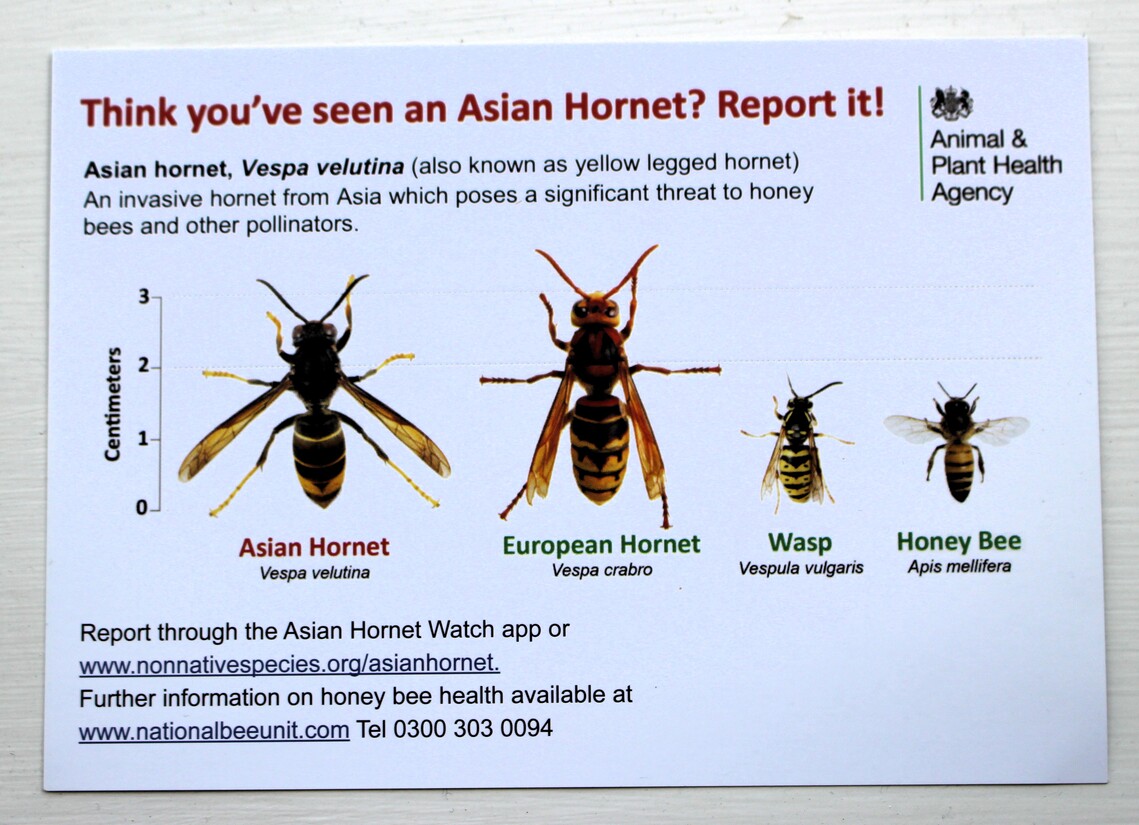
Our September monthly meeting was a fascinating and very informative evening, with an excellent talk from Andrew Gaunt, a Plant Health and Seeds Inspector with the Animal and Plant Health Agency (APHA), part of DEFRA.
Andrew has worked as a plant health inspector for over 25 years and is based in Chichester, covering plant health inspections, imports and exports. He has extensive experience in protecting the UK from harmful plants, pests and diseases, and is also a National Plant Collection holder specialising in Hedychium (flowering ginger).
His talk, “The Role of the Plant Quarantine Service,” gave us an insight into the work that goes on behind the scenes to protect our plants, gardens, agriculture and natural environment. Andrew explained what his day-to-day duties involve, including inspecting imported plants and plant products and helping to prevent potentially damaging pests and diseases from entering and becoming established in the UK.
He also talked about the growing challenges presented by climate change, global trade and invasive insects and plants, and highlighted some of the pests and diseases we should be aware of. His experience brought the subject to life, giving us a much greater appreciation of just how important plant health and biosecurity are.
It was an engaging and thought-provoking talk, packed with information, with examples from Andrew's many years of experience helping to illustrate and support the points he discussed.
Celebrating 111 Years of the WI
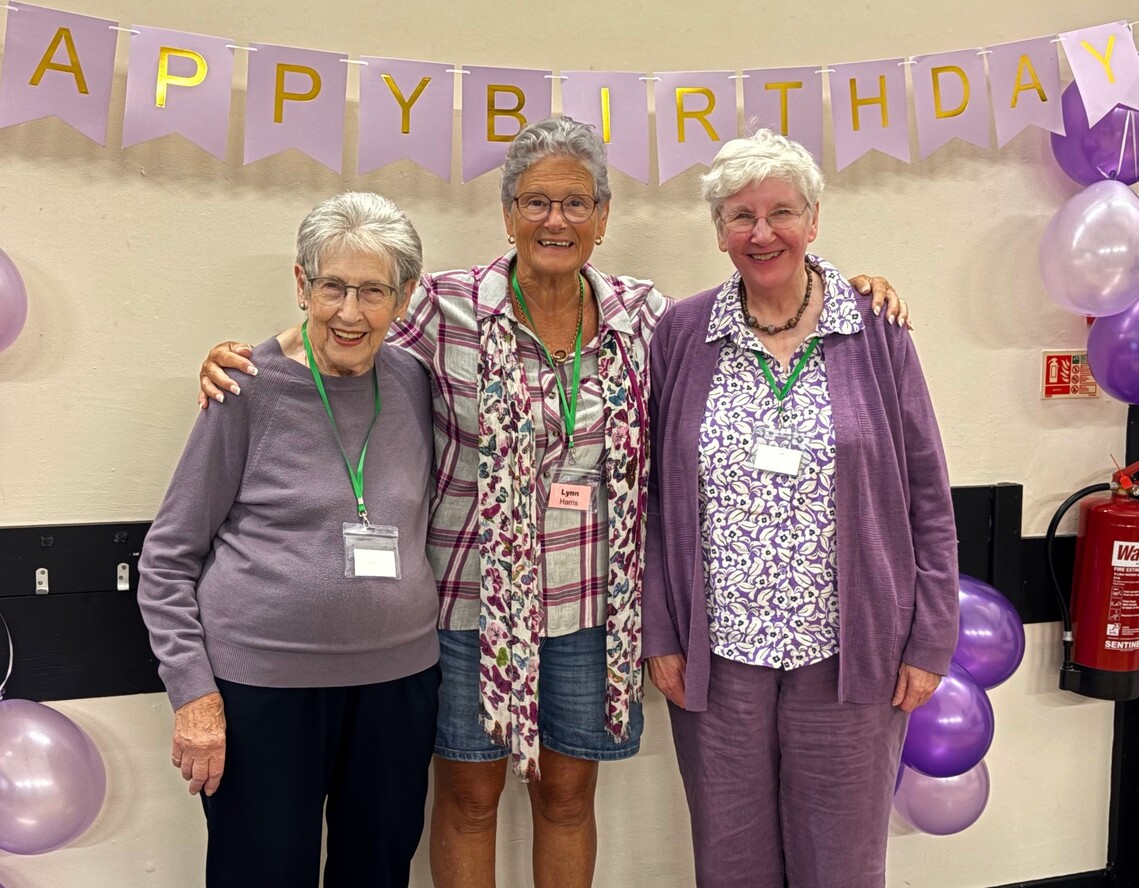
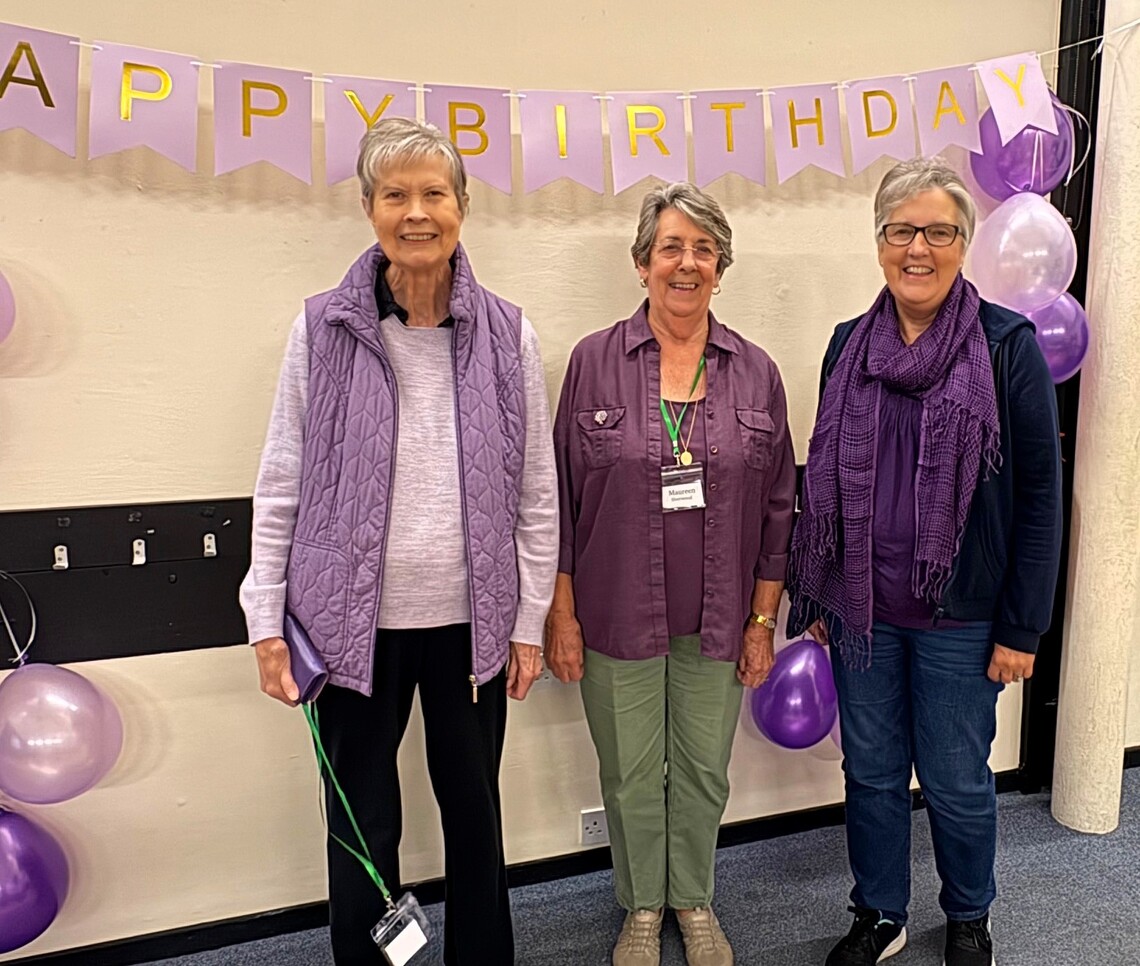
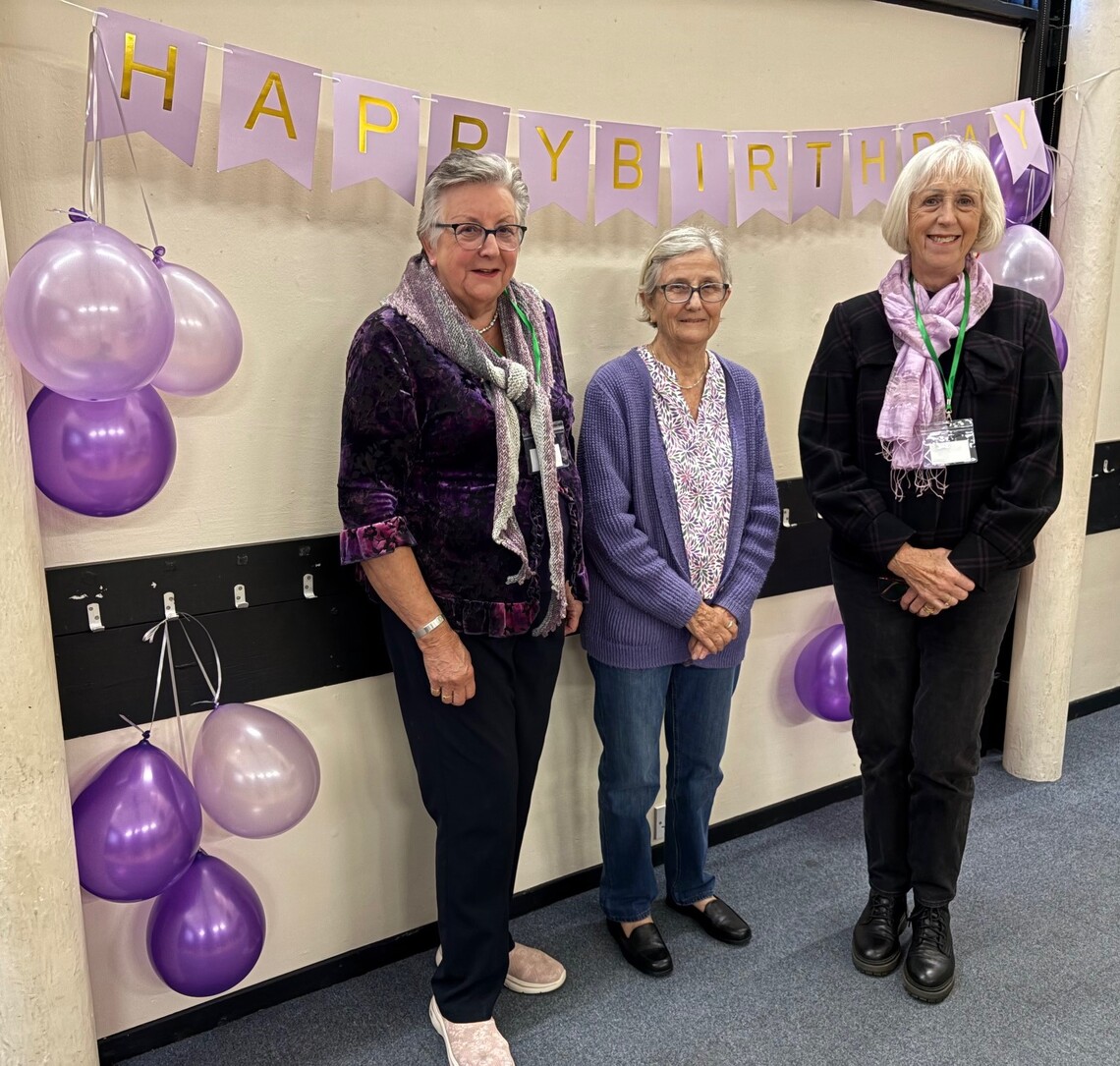
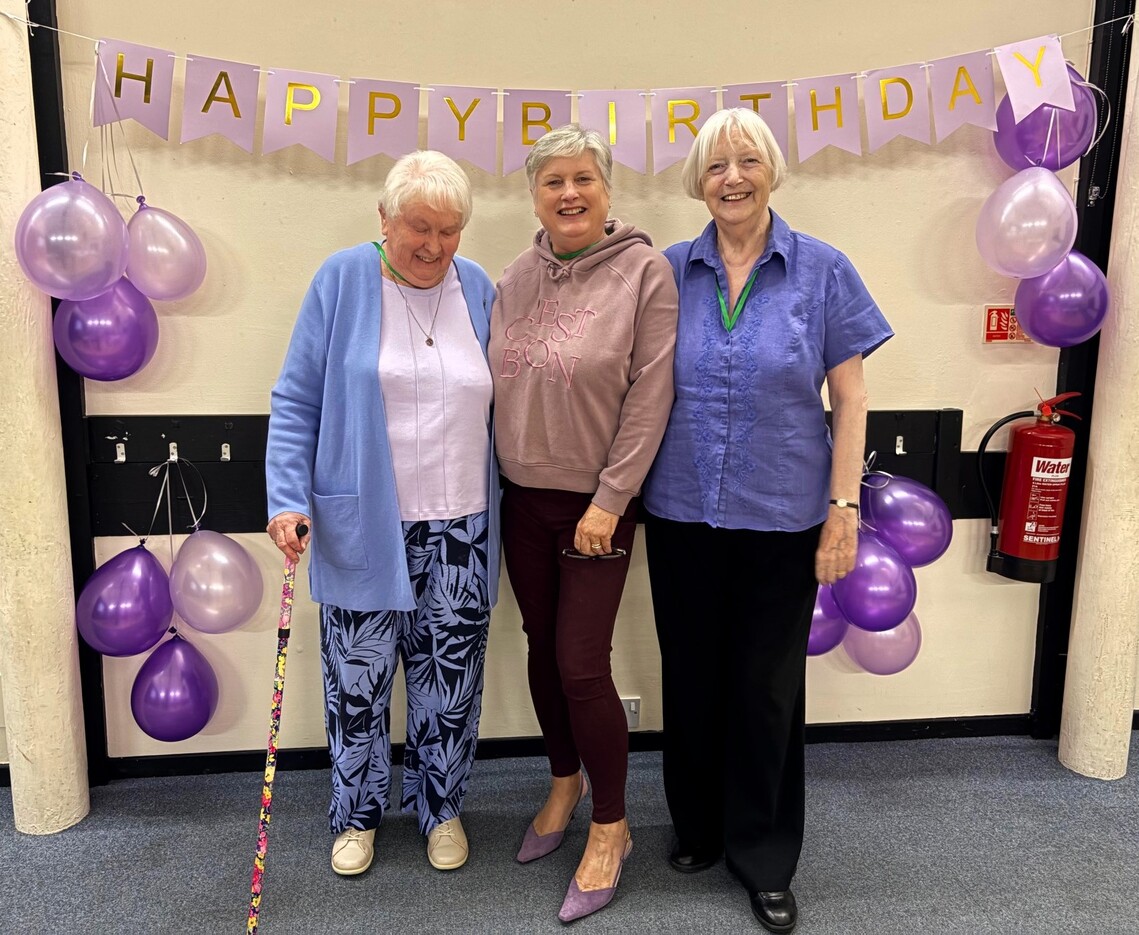
Our September meeting also marked the 111th anniversary of the Women’s Institute, and WIs across the country were encouraged to join in the celebrations by wearing purple, the WI’s signature colour.
Members were also invited to take photographs in groups of three, creating a fun visual representation of 111. We were delighted to join in the celebrations at our meeting, adding a splash of purple and marking this special milestone together.
It was a lovely opportunity to celebrate the WI’s long history, the friendships it has created and the many contributions made by WI members over the past 111 years.
Book Club Meeting
11th September 2026
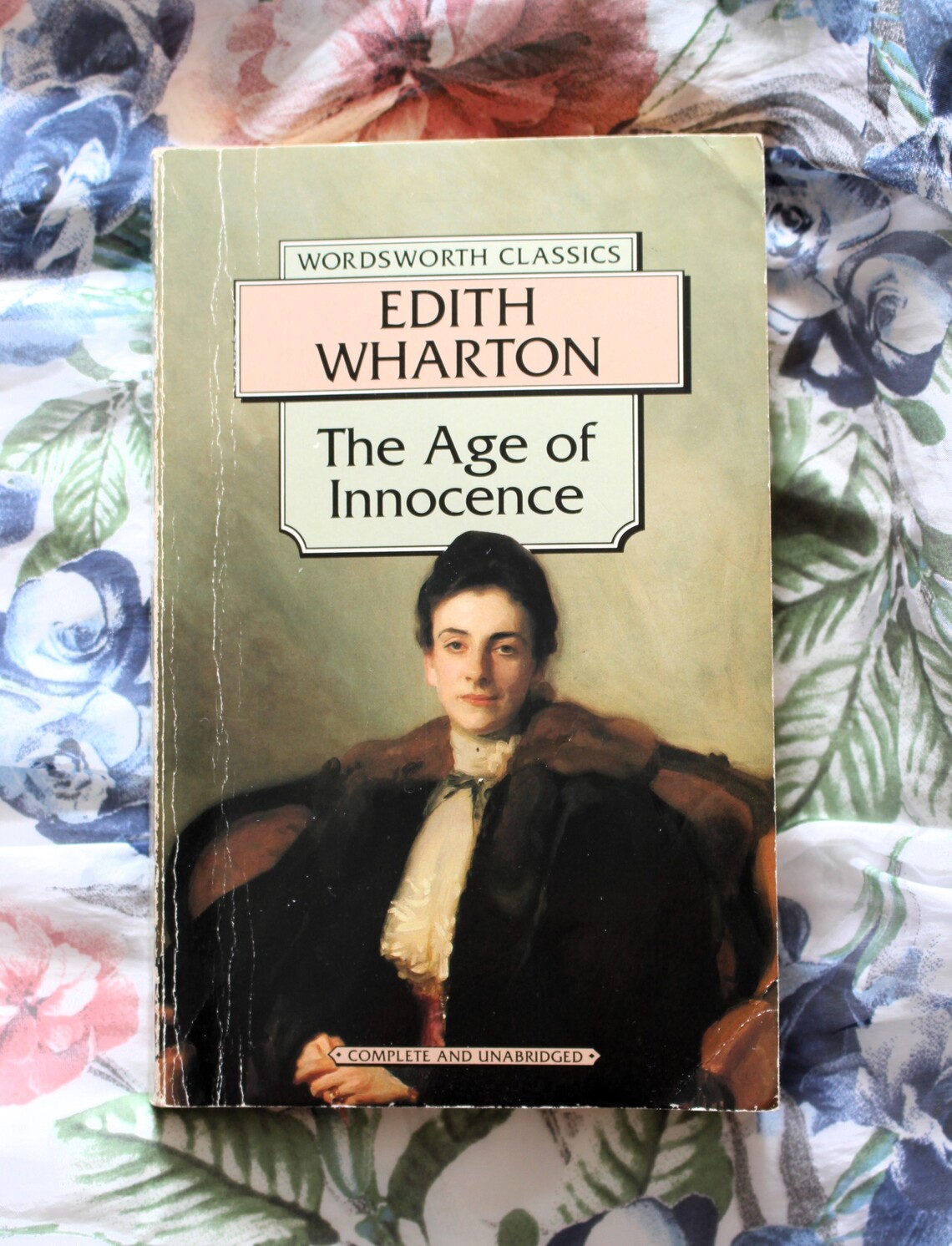
On a lovely sunny morning, the Sullington Windmills WI book group gathered in the garden of a member’s neighbour to discuss Edith Wharton’s The Age of Innocence.
There was a fairly strong consensus that The Age of Innocence was not an easy read. For the majority of us it proved something of a slog, with the descriptions of New York’s 1870s society, its endless rules and its intricate social etiquette sometimes feeling rather hard going. A number of members admitted they had struggled to finish it, while one resourceful reader eventually resorted to watching the film instead! Others, however, enjoyed the novel considerably more, and interestingly, even some of those who found it a tiring read were glad that they had persevered.
The most interesting discussion centred on the characters, particularly May Welland. At first, May seems to be a rather insipid, conventional young woman. Yet, as the story progresses, another May emerges. Beneath the apparently innocent exterior is someone remarkably astute, who understands both Newland and the society in which they live far better than he realises. Her manipulation of events, bringing forward the wedding and, later, announcing her pregnancy at precisely the right moment, makes her much more complex than she first appears.
Ellen Olenska, meanwhile, seemed remarkably modern to us. She wants the freedom to divorce her husband and live independently, an astonishingly bold idea in the society into which she has returned. Her declaration, “I want to be free; I want to wipe out all the past,” could almost belong to a contemporary novel.
Her influence on Newland is enormous. Through Ellen, he begins to question the values of the world he has always accepted and to see that there are other ways of living beyond the narrow circle of New York society.
This is perhaps where the title of the novel becomes most ironic. There is very little real innocence in this novel. Everyone is watching everyone else, everyone knows the rules, and almost everyone is manipulating those rules while pretending not to. Wharton exposes a society where appearances matter more than truth and where scandal is often considered worse than unhappiness.
The book also made us wonder about Newland himself. Some members felt that he was weak. Is he genuinely a victim of society, or does he use society's rules as an excuse for not making difficult choices? He longs for Ellen and believes himself to be more enlightened than the people around him, yet when faced with the consequences of challenging convention, he ultimately falls back into the life expected of him.
The ending was described as disappointing by a few members. After all the anticipation surrounding Newland and Ellen, the final meeting, decades later, feels deliberately restrained. Some of us wanted more: more confrontation, more emotion, perhaps even a little more drama. It is a frustrating ending, but perhaps appropriate for a novel about the things society prevents us from saying and doing.
So, was The Age of Innocence worth the effort? The answer from our group was decidedly mixed. It was certainly not everyone's favourite read, and several members found it slow and difficult to get through. However, it generated plenty of conversation, particularly about marriage, freedom, social pressure and the deceptively complicated May Welland.
The next book to be read will be ‘A Christmas Carol’ by Charles Dickens.
This will be discussed on Thursday 8th October 2026.